
How to Practice Warrior 1 (Virabhadrasana) – Benefits & Modifications

Updated: Aug 19, 2025
Sanskrit Name: Virabhadrasana
Related Chakra: Muladhara or Root Chakra
Chakra Chant: LAM
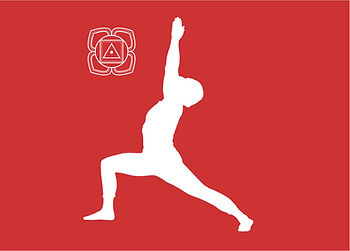
Warrior I Pose is a powerful standing posture that symbolizes strength, determination, and an open heart. In this asana, your legs ground you firmly into the earth while your chest and arms reach upward, creating a dynamic balance of stability and expansion. Warrior I builds heat, increases stamina, and helps you feel grounded yet uplifted—a perfect reminder that you can be strong while staying open to new possibilities.
Benefits of Warrior 1
Strengthens the legs, glutes, and core
Stretches the chest, lungs, and shoulders
Improves balance and stability
Boosts stamina and endurance
Opens the hips and promotes flexibility in the hip flexors
Encourages focus and confidence
Step-by-Step Guide to Warrior 1 Pose
Start in Mountain Pose (Tadasana) at the front of your mat.
Step your left foot back about 3–4 feet, keeping your front knee stacked over your ankle.
Turn your back foot slightly outward (about 45 degrees) while keeping your front toes pointing forward.
Square your hips toward the front of the mat, adjusting your stance as needed.
Inhale as you raise your arms overhead, palms facing each other or touching.
Press firmly into both feet, drawing energy up through your legs.
Lift your chest and gaze forward or slightly upward, keeping your shoulders relaxed.
Hold for 5–10 breaths, then step forward and repeat on the opposite side.
Tips for Alignment
If squaring your hips is difficult, step your back foot slightly wider.
Avoid collapsing your lower back—engage your core for support.
Keep your front knee tracking over your ankle, not falling inward.
Modifications
If you have knee or hip injuries, shorten your stance or keep your hands on your hips.
For shoulder discomfort, keep your arms lower or in prayer position at your chest.
Precautions
Knee Safety: Keep the front knee aligned directly over the ankle (not collapsing inward or jutting forward). Avoid deep bending if you have knee injuries.
Lower Back Issues: People with lower back pain or herniated discs should avoid overarching the spine or forcing the hips square — they can shorten the stance or keep hands on hips instead of overhead.
Hip Tightness: If squaring the hips forward feels too intense, step the back foot slightly wider or angle it more outwards to reduce strain.
Shoulder or Neck Concerns: Instead of raising arms overhead, keep them at heart center (Anjali Mudra) or on hips to avoid shoulder or neck strain.
Balance Challenges: Since the stance is wide, it can challenge stability. Practicing near a wall or shortening the stance helps.
Pregnancy: In later trimesters, avoid overly deep lunges or pulling the belly forward into compression.
📌 Related Poses:
Reverse Warrior (Viparita Virabhadrasana)
Interested in yoga? Join my class today!
Are we connected? Follow me on social!


Comments